The Digital Picket Line: How Modern Labor Strikes Morphed into Slack Emojis
Satire / opinion, not factual reporting. AI-assisted, for curiosity, not authority.
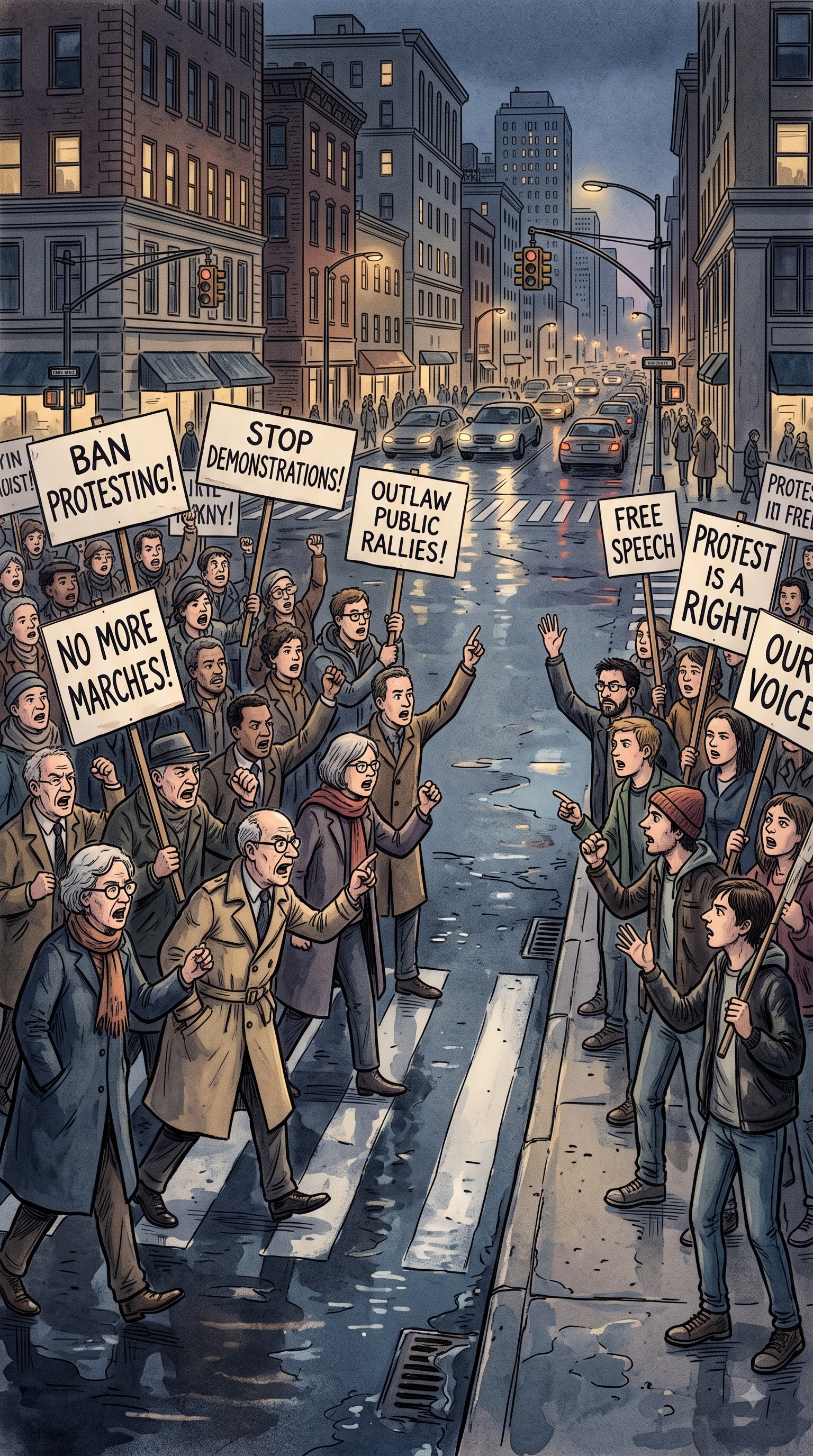
A century ago, when the working class of industrializing nations decided that their working hours were excessive, their wages unlivable, or their management predatory, they executed a simple, terrifying maneuver:
They shut the steam valves off. They linked arms across the factory gates. They stood in freezing rain on physical cobblestones, braving water cannons and private security forces, refusing to disperse until the balance of leverage was restored.
Labor resistance was physical, visceral, and above all, economically disruptive.
Fast forward to the modern knowledge-economy enterprise. An executive leadership team announces a mandatory five-day return-to-office mandate, a sudden clawback of equity vesting schedules, or a quiet ten-percent workforce reduction buried inside an upbeat memo titled "Refocusing Our Core Strategic Velocity."
How does the modern, highly educated, six-figure corporate workforce revolt?
They flood the announcement post on the company-wide chat channel with upside-down smiley faces, clown emojis, and tiny animated GIFs of garbage fires.
Welcome to the Digital Picket Line: where labor dissent goes to be neutralized by corporate user interfaces.
The Illusion of Algorithmic Defiance
There is something tragically comical about the modern corporate worker's relationship with dissent. In the era of distributed remote work and collaborative workplace platforms, software engineers, marketing managers, and product leads genuinely believe that reacting with forty-two angry face emojis under the chief executive’s video announcement constitutes an act of radical civil disobedience.
The platform provides a deceptive sense of collective power. You see seventy colleagues reacting with the melting-face icon in real time; you witness an outraged thread accumulate two hundred replies dissecting the logical contradictions of the senior leadership team. For roughly four hours on a Thursday afternoon, the internal communications servers hum with revolutionary fervor. Employees type passionate manifestos in private direct-message backchannels, congratulating one another on "finally speaking truth to power."
And then Friday arrives.
The paychecks clear via automated direct deposit. The project sprints reset. The weekly status reports are submitted on time. By Monday morning, the revolutionary thread is archived under three hundred new messages about calendar rescheduling, and the controversial policy is enforced without a single hour of lost productivity.
The digital picket line did not disrupt the machinery of the firm; it merely provided the executive suite with a free, automated sentiment-analysis dashboard.
The Tyranny of the Muted Channel
The fundamental flaw of digital dissent is that it takes place inside an ecosystem owned and operated by the very authority being protested.
When historical workers struck, management could not simply press a button to hide the physical crowd gathering on the sidewalk. But in the modern tech conglomerate or corporate enterprise, dissent exists entirely at the pleasure of the system administrator.
Notice how leadership responds when internal chat rebellions threaten to breach the veneer of corporate harmony:
- First, the thread replies are politely restricted to "maintain a focused and constructive conversation."
- Next, the emoji reactions are quietly disabled on the primary announcement channel under the banner of "reducing visual clutter."
- Finally, human resources schedules a mandatory all-hands webinar where leadership answers "pre-submitted questions"—curated by internal communications specialists to address such burning inquiries as: "How can we best align with our exciting new quarterly priorities while maintaining personal wellness?"
The anger of three thousand workers is compressed into a moderated sixty-minute video stream, diffused into harmless corporate platitudes, and dissolved into the weekend.
Power Is Physical Leverage, Not Emotional Outrage
Ancient thinkers understood that political leverage requires tangible asymmetry. In ancient Roman history, when the common plebeians felt tyrannized by the aristocratic patrician senate, they did not petition with poetic pamphlets; they engaged in the Secessio Plebis—they physically packed their belongings, abandoned the city of Rome, and camped on the Sacred Mount, leaving the ruling class to cook their own meals, clean their own streets, and defend their own walls. Rome came to a grinding standstill until political concessions were inscribed into law.
Modern corporate dissent has forgotten this foundational lesson: outrage that does not halt the production line is not protest; it is entertainment.
Until knowledge workers are willing to endure the tangible discomfort of real collective bargaining—refusing to write code, closing spreadsheets in unison, or logging out of the cloud servers simultaneously—their angry chat reactions remain nothing more than digital graffiti on a corporate wall.
Management does not fear your clown emoji. Management fears the silence that comes when the machines stop running.